

Document No. 5 — Failure Analysis, Root Cause Investigation, and Engineering Prevention
Principles of This Document
Principle 1 — Failure Analysis Is Based on Evidence
The analysis must progress from observation and evidence to mechanism, cause, and prevention.
Principle 2 — Observation Before Judgment
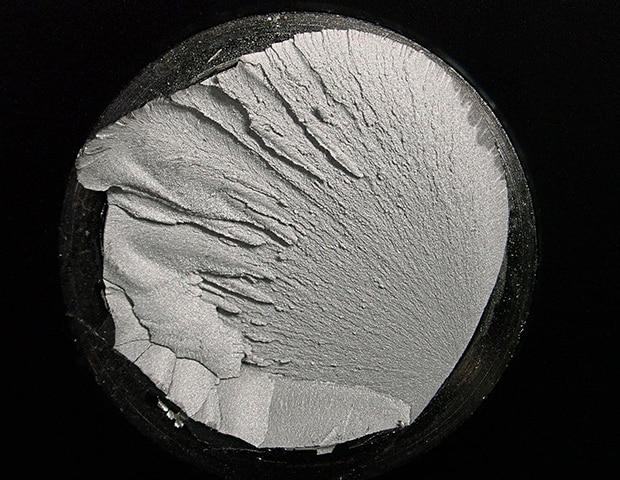
The fracture surface and related evidence must be carefully observed and documented before interpretation and hypothesis formulation.
Principle 3 — Reconstructing the Component’s Actual History
The component’s function, loads, service conditions, modifications, repairs, and operating duration must be included in the analysis.
Principle 4 — Evidence Before Hypothesis
The correct sequence of analysis is observation, information, evidence, mechanism, and cause — not guesswork, hypothesis, and confirmation.
Principle 5 — Naming the Failure Is Not the Final Answer
Terms such as fatigue must be linked to the specific mechanism and the cause of its occurrence under actual conditions and at the specific location.
Principle 6 — Human Causes Must Be Examined Within the System Context
Human error must not be reduced to blaming an individual; it must be examined from the perspective of systemic correction and prevention.
Principle 7 — Quality Must Be Built into the Process
Failure analysis must lead to identification of the root cause, process modification, control, and prevention.
Principle 8 — Every Failure Case Requires Independent Analysis
Similar past cases are sources of knowledge, not substitutes for analyzing a new case.
Principle 9 — Analytical Tools Guide Thinking; They Do Not Generate Ready-Made Answers
The engineer must know what to observe, what to ask, what data to collect, and when to discard a hypothesis.
Principle 10 — Failure Analysis Must Conclude with a Cycle of Correction and Learning
The results of the analysis must be translated into corrective action, feedback, documentation, and reusable knowledge.